Rosenworcel statement fcc facilitates wireless infrastructure deployment for 5g.
Small cell antenna definition.
State and local governments.
Means a wireless facility that meets both of the following requirements.
A small cell network consists of a series of small low powered antennas sometimes called nodes that provide coverage and capacity in a similar way to a tower with a few important distinctions.
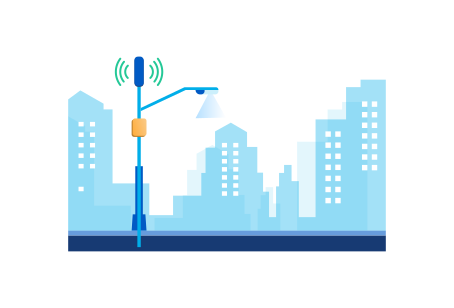
Small cells are always connected by fiber optic cable and usually attached to existing infrastructure in the public right of way like utility poles or streetlights.
Small cell design guidelines requirements m.
Small cells are low powered cellular radio access nodes that operate in licensed and unlicensed spectrum that have a range of 10 meters to a few kilometers.
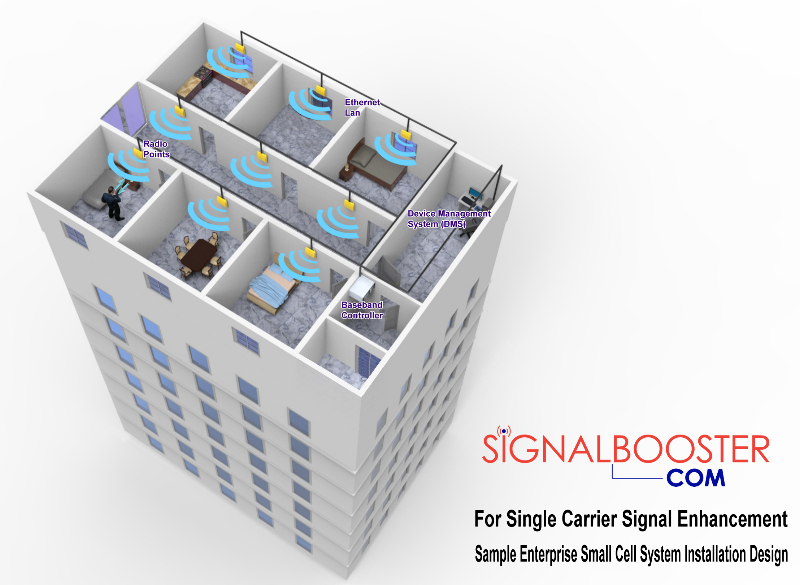
A small cell installation consists of small radio equipment and antennas that can be placed on structures such as streetlights the sides of buildings or poles.
Commscope s advanced metro cell antenna solution.
Build 5g faster and smarter with small cell solutions.
Erratum fcc facilitates wireless infrastructure deployment for 5g.
As wireless carriers seek to densify existing wireless network.
Small cell content.
Recent fcc orders have provided size and elevation guidelines to help more clearly define small cell equipment.
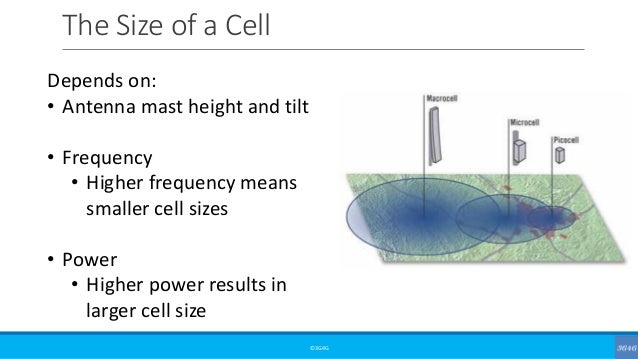
They are small compared to a mobile macrocell partly because they have a shorter range and partly because they typically handle fewer concurrent calls or sessions.
Using a combiner in a multi band small cell presents another mechanical constraint due to the size and space limitations.
Find out more about how you can use small cell solutions to build 5g faster and smarter.
At their core small cells are wireless transmitters and receivers designed to provide network coverage to smaller areas.
Each antenna is located inside an enclosure of not more than six cubic feet in volume or in the case of an antenna that has exposed elements the antenna and all of its exposed elements could.
Explore below or get more info on our small cell antenna product page.
Small cells are low powered radio access nodes that operate in licensed and unlicensed spectrum with a range of 10 meters to 1 or 2 kilometers and can be deployed relatively easily on utility poles street lamps water towers or rooftops.
So while tall high power macro towers keep the network signal strong across large distances small cells suit more densely developed environments like cities.
With a macro or active das combiners are not usually considered on an active das there is a multiband radio driving the active array.