As we can see below some of the most common solar panel technologies like monocrystalline and polycrystalline modules are able to cover a higher range of wavelengths including visible light.
Solar panel absorbs emitted light.
A standard solar panel absorbs best from the sun and turns it into energy.
Solar cells that transfer sunlight into electricity are a brilliant part of modern technology but one particular aspect has proven to be a huge headache.
Colors and shades a material s color and shade affect the amount of light it absorbs or reflects.
They re bumped up to a higher level of energy and get active.
The reason for this munday explained is that an object that is hot compared to its surroundings will radiate heat as.
Dark colors reflect less light to your eye so they absorb more light.
The paper claims an anti solar.
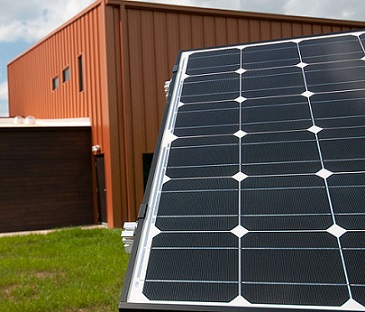
A solar panel is a panel designed to absorb the sunlight for generating electricity.
A team of researchers from george washington university has devised a new layered solar panel that can absorb light from a wider range of the spectrum pushing the efficiency as high as a stunning.
They re not super efficient most of the sunlight they absorb is lost in the form of heat.
However in these specially designed photovoltaic cells light is instead emitted to generate current and voltage which go in the opposite direction but still produce energy.
As a result the average efficiency of a commercial solar panel is between 11 and 22 percent.
With either the silicon or thin film solar cells absorbing the sun s light the electrons do their thing.
They can also include wavelengths in the near infrared region up to 1200 nm.
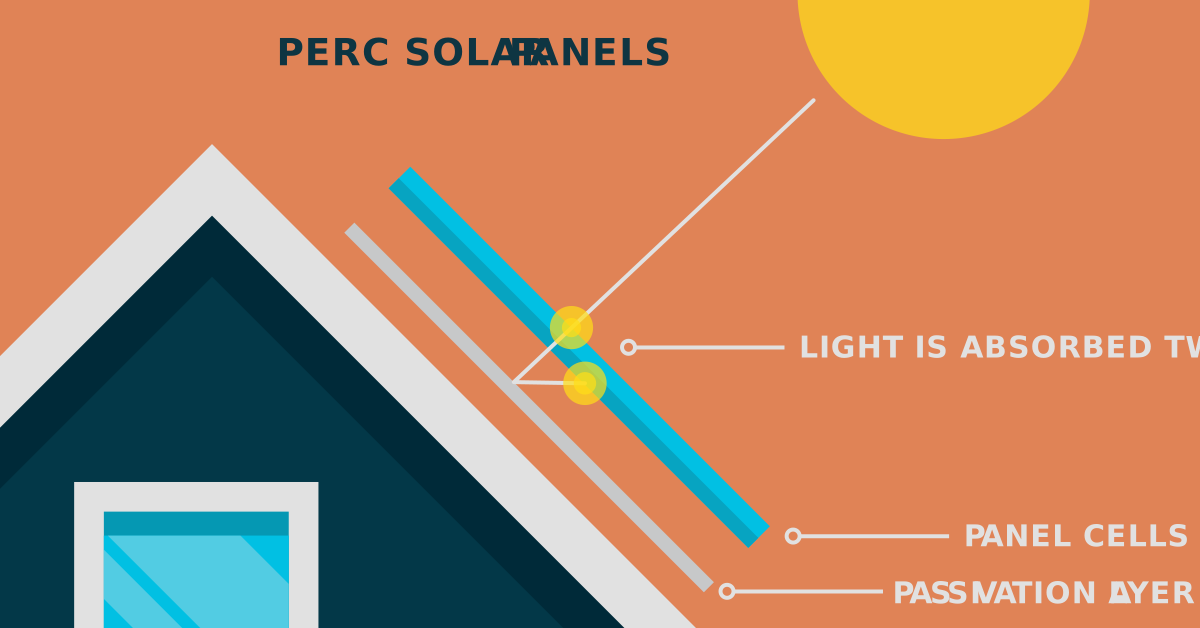
A regular solar cell generates power when it absorbs photons of light from the sun to generate a voltage across the device for the current to flow.
In simple words the panels consume solar energy for generating electricity.
At night if a panel is pointed toward earth then it could capture the earth s invisible infrared light.
The name solar panel came from the fact that sun supplies energy to the panels.
Some modern solar panels get around this by including multiple materials and junctions between them called multijunction cells that can absorb different frequencies of light to capture more of.
A flat black material.
However solar panels can also be designed to absorb light in wider wavelengths.



/__opt__aboutcom__coeus__resources__content_migration__treehugger__images__2011__10__solar20panels-9fa9da5be68d4cf58fc20335178fa267.jpg)

/__opt__aboutcom__coeus__resources__content_migration__treehugger__images__2011__10__Solar-Panel-Sunset-thumb-468x311-44939-55f8af1c1a814fe2bcad892002afee15.jpg)